-
Community Guide | Real Estate
Meraas Reshapes Dubai Design District into a Waterfront Creative Neighbourhood
Dubai keeps moving forward with clear planning and long-term focus. A strong example is Dubai Design District, also called d3. With its latest announcement, Meraas, part of Dubai Holding Real Estate, has shared an expanded masterplan that takes d3 into a new phase.
This update turns d3 into a full waterfront neighbourhood. It brings homes, culture, workspaces, parks, and public streets together in one connected area. The plan responds to strong buyer demand and supports Dubai’s wider economic goals. The message is simple. d3 is no longer only a business and design zone. It is becoming a place where people can live, work, and spend time every day.
Why Dubai Design District is changing now?
Dubai Design District was created to support design, fashion, media, and creative firms. Over the years, it attracted global brands and skilled professionals. What it lacked was enough housing and everyday urban life.
The new masterplan fills that gap. d3 sits between Downtown Dubai and Dubai Creek. This location gives it a clear advantage. It stays close to the city centre while offering space to grow. With the expansion, the district now covers about 18 million square feet.
New projects by Meraas is shaping d3 as a mixed-use community, not a high-density housing cluster. Homes sit next to studios, cafés, offices, and cultural venues. This reduces daily travel and improves how people use the area. This direction also supports the Dubai Economic Agenda D33, which focuses on attracting talent, growing new industries, and building long-term value.
A waterfront setting built for daily living
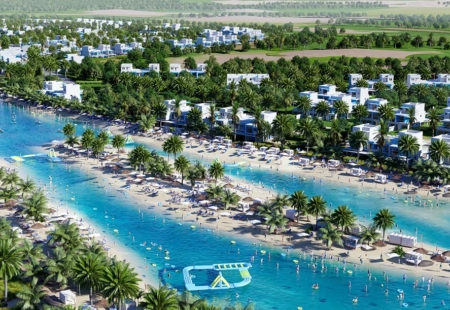
One of the most important changes is the canal-front layout. Waterfront homes and promenades create calm spaces without relying on tall towers. Water becomes part of daily life, not a background feature.
Public areas run along the canal. Small retail units, cafés, and hospitality spaces support activity throughout the day. Streets are planned for walking first, with cars kept in the background.
At the centre of the plan is the Design Line. This is a shaded walking route that links the whole district. It connects homes, offices, parks, and cultural spaces. Art pieces, open seating, and landscaped paths make it active and safe for daily use.
Walkable areas matter. They support higher rental demand and attract long-term residents, especially from international markets.
Five areas that give d3 its structure
The expanded masterplan divides the district into five clear areas. Each has a defined role.
Canal-front homes and hospitality
This area sits along the water. It includes modern residences and boutique hotels. A public promenade runs beside the canal and supports cafés and local retail. This zone sets the tone for the waterfront experience.
Central urban area
The urban core blends housing with dining and shops. It connects directly to d3’s existing offices and studios. This makes daily routines easier for professionals working in the district.
Cultural zone around d3 Bowl
This area focuses on performance spaces and events. Mid-rise residential buildings face the d3 Bowl. Residents stay close to cultural activity without losing privacy. This supports d3’s role as a cultural hub.
Wellness-focused residential parks
Green spaces define this zone. Parks, sports areas, and walking paths create a calm environment. A mangrove-inspired landscape adds a natural layer that is rare in central Dubai. This area suits families and long-term residents.
Creative studios and lofts
The final zone supports artists and designers. Galleries, studios, and loft-style spaces encourage collaboration and production. This keeps creative work inside the district instead of pushing it out.
Together, these areas create balance. No single use dominates the district.
Sustainability and responsible planning
The masterplan aims for LEED Silver community certification. This includes energy-efficient buildings, better transport links, and strong walking networks.
The layout protects visual connections to Dubai Creek and the Ras Al Khor Wildlife Sanctuary. These views add long-term value and improve daily living quality.
Sustainable districts often perform better over time. They attract stable tenants and long-hold investors who value planning over quick gains.
Strong demand from buyers and investors
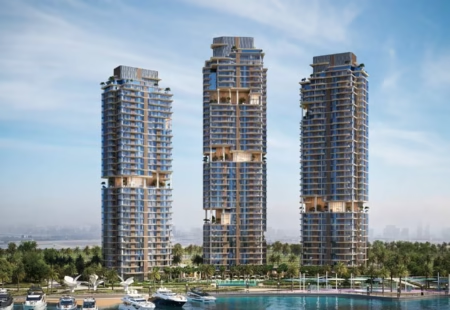
Recent launches at d3 show clear market interest. Atelis, a 280-unit waterfront tower, sold out quickly. The Edit, a three-tower project with 557 homes, also saw strong demand from local and overseas buyers.
This response reflects a wider shift. Buyers now prefer central areas with character, limited supply, and strong connectivity. d3 fits this profile well.
Land within d3 is limited. Development follows strict planning rules. This supports price stability and reduces oversupply risk.
Investment potential of Dubai Design District
For investors, d3 offers several clear strengths.
Prime location
Close to Downtown Dubai, Business Bay, and Dubai Creek.
Controlled supply
New homes enter the market in phases, not large volumes.
Quality tenant base
Creative professionals and global firms support stable rentals.
Lifestyle appeal
Walkable streets, waterfront access, and cultural spaces increase demand.
Government alignment
Support through Dubai Economic Agenda D33 adds confidence.
Returns may not be speculative spikes. Instead, d3 suits investors seeking steady growth and consistent rental income.
Latest Invest opportunity You may consider.
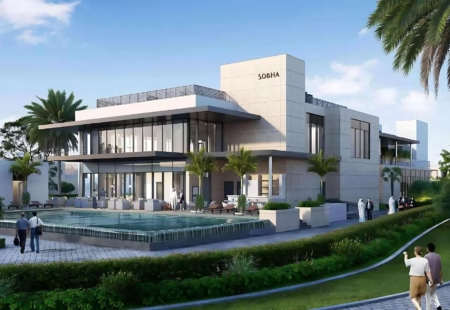
Sobha Sanctuary at DubaiLand And Binghatti Maybach at Meydan
The role of Meraas in shaping d3
Meraas has experience in building lifestyle-led districts across Dubai. Its focus is not only on buildings but on how people use spaces.
At d3, Meraas applies this thinking with a creative focus. The aim is to protect the district’s identity while adding residential depth. This balance is key.
For buyers, the developer’s track record adds trust. For the city, it ensures that d3 grows with purpose.
What this means for Dubai’s future
The expanded d3 masterplan shows how Dubai is shifting its urban strategy. The focus is moving from single-use zones to connected neighbourhoods.
For global talent, this matters. People choose cities that offer ease, culture, and work opportunities in one place. d3 is being built to meet that need.
For investors, the district offers a mix of stability and growth backed by planning and demand.
Closing view
Dubai Design District is entering a new stage. With Meraas leading the expansion, d3 is becoming a waterfront neighbourhood shaped around people, creativity, and long-term value.
It offers residents a connected urban setting. It offers investors a central district with limited supply and rising global interest. And it supports Dubai’s wider goals by keeping talent and culture at the heart of the city.
As development continues, d3 stands out as a district built with clear intent and lasting relevance.